About

Hi, I'm Todd Molloy

I went from a low-20s handicap to breaking 80 in less than 12 months. No coach. Just data, a garage setup, and a lot of trial and error I'm hoping you can skip.

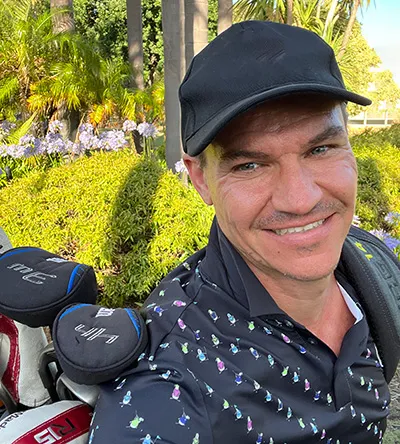
Todd in a cap beside his golf bag before a round
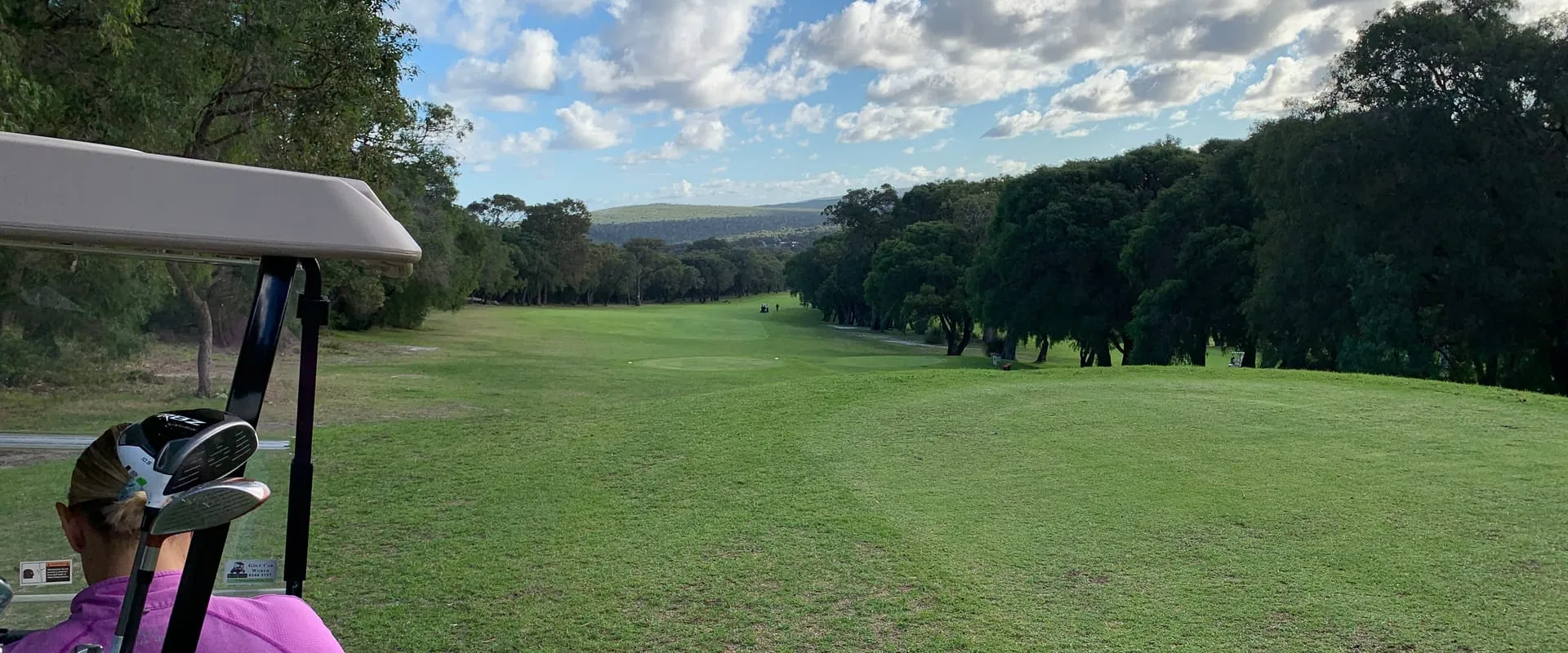
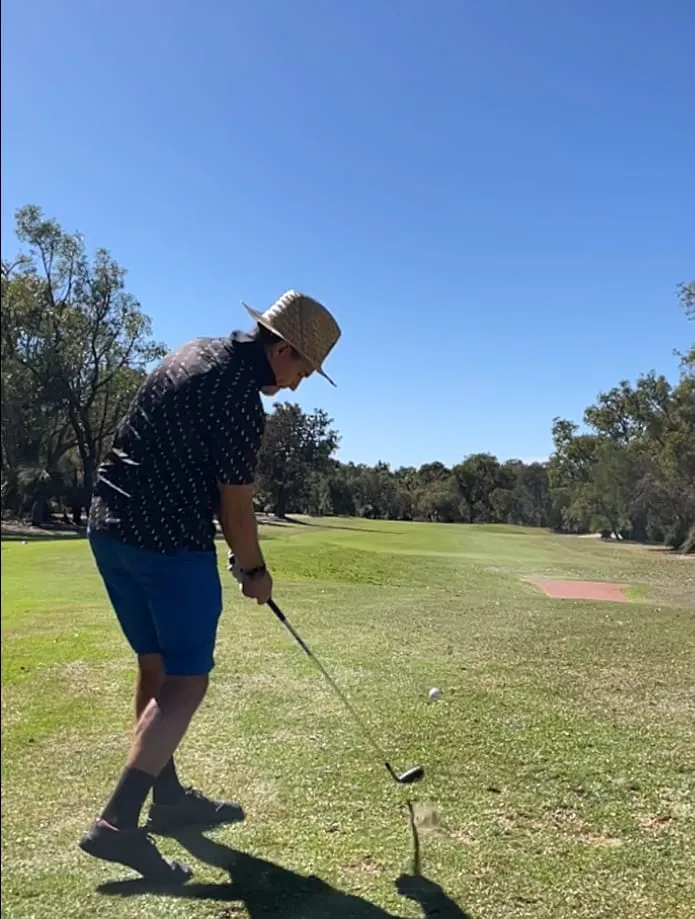
A tree-lined fairway in Margaret River seen from the seat of a golf cart
Todd standing over the ball in a straw hat, about to play a shot from the fairway

Where I Started

Up until my mid-30s I was a very casual golfer who only played golf 3-4 times per year.

In 2024 I joined a semi-competitive golf group. I was a low-20s handicap and too scared to hit my driver.

My first drive (with my 3-wood) on the first hole with the group I lost my ball. I hit 108 that round and wished I was better.

This is what started me down the rabbit hole of wondering how I get better at golf.
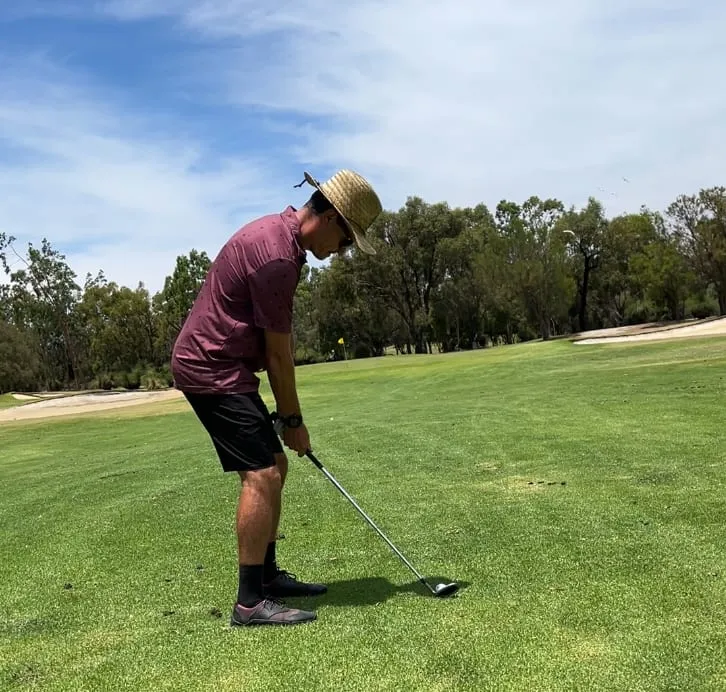
Todd lining up an approach shot from the fairway on a sunny day

What I Tried

So I did what stuck golfers do. I went to YouTube. I tried all sorts of training aids.

A knock-off divot board that broke. A HackMotion wrist trainer that changed nothing. A 3D swing session with a pro who told me my problem was early extension. An online course that wanted me to rebuild my whole swing from scratch.

Eighteen months, a heap of time and money, a brief dip down to 18.3. But then my handicap climbed right back up into the low 20s.
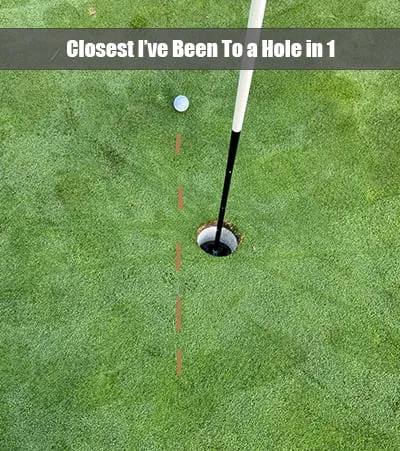
A ball resting a few inches from the hole, the closest Todd has come to an ace

What I Found

Then a couple of things happened around the same time.

I started tracking real data from my round instead of guessing.

I discovered it was never my "swing" that was the problem. It was what happened at impact.

From another area in my life I came across Prof. Dr. Schöllhorn's differential learning method. I started adapting it to golf practice.

These are the reasons I actually improved, and also was able to take my skills to the course instead of just at the range.

As I developed this new way of practicing I started documenting what I was doing and how my practice sessions were going.

Initially it was only for myself. To give me a framework I could use to keep me focused on the process instead of going down YouTube rabbit holes.
The timeline

My Results

For the last few years I've tracked everything, so here's the high level timeline:

  1. Early 2024Low-20s handicap, join a semi-competitive golf group. Hit 108 the first round. Start wondering how to improve. Go down YouTube rabbit hole.
  2. 2024 into 2025Handicap is up and down. Got down to 17.9 at one point, back into the low 20s a few months later. Training aids and swing reviews haven't helped.
  3. June 2025Last round I've shot over 100 (hopefully forever).
  4. Late 2025Change the way I practice. Start using round data, differential learning and focusing on impact.
  5. February 7, 2026Shot 78, breaking 80 for the first time. 12 months and 12 days earlier I was sitting at a 20.4 handicap.
  6. TodaySingle figure handicap, working toward scratch.

Full month-by-month breakdown here.

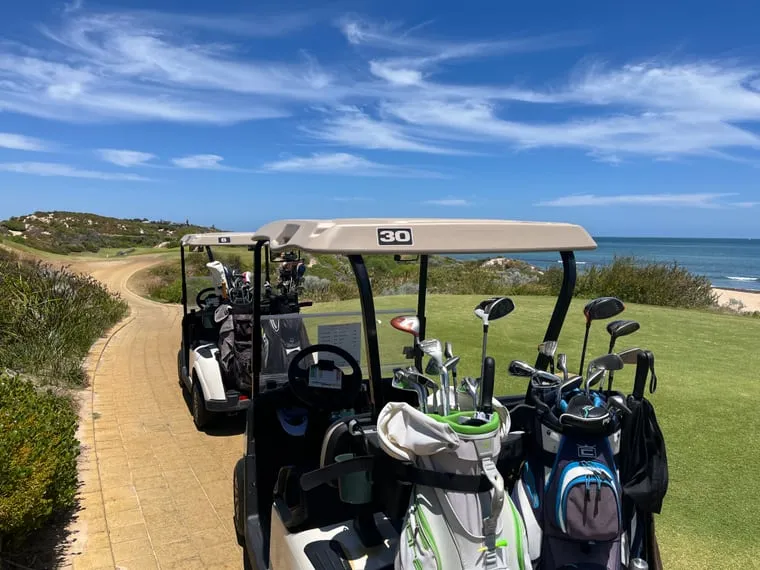
Two golf carts parked on a coastal path, the fairway running along the dunes beside the ocean

How Do Golfers Actually Improve

We all have different strengths and weaknesses in our game. If you are an elite putter, but rubbish off the tee, then working on becoming an even better putter is not going to give you a big scoring breakthrough.

And vice versa. Practice on the biggest thing holding you back right now.

When you do identify your biggest scoring leak, realize that your swing isn't the problem. What happens in the fraction of a second at impact is.

Most golf instruction, most training aids, most YouTube advice focus on swing fixes. It's a much bigger, more repeatable business than "here's the one thing that's actually costing you strokes."

Once you know what you need to improve, and then understand how to improve it, you need to practice in a way that will make you better.

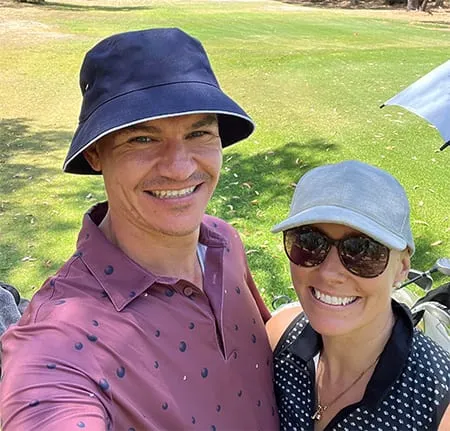
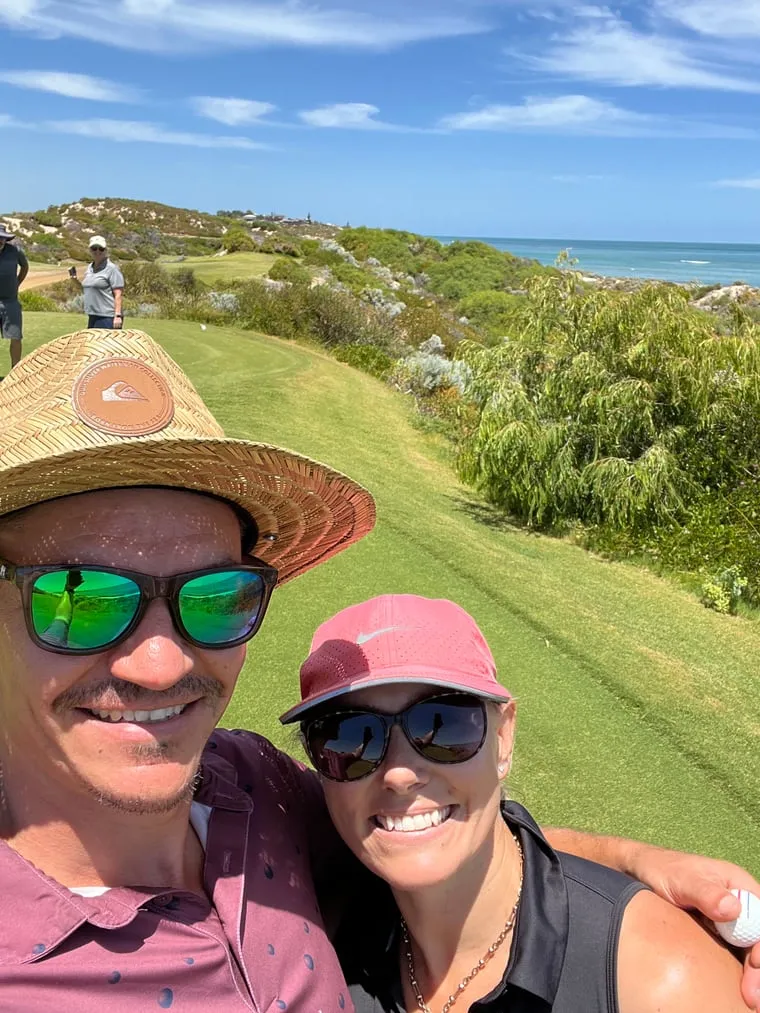
Todd and his playing partner in sunglasses on a coastal green, ocean behind them

Most weekend golfers don't practice at all. They play rounds and hit range balls. But they don't practice in a way that will make them better.

That's a big difference, and it's most of the gap between the golfer you are and the golfer you could be with the same amount of time. You should be able to monitor your practice to see if you are getting better from your practice sessions, and not just rely on your scores to monitor progress.

Once you are doing deliberate practice, on the thing you need to work on, the next step is to be able to take it on the course. Combine that with a smart course strategy, and proper preparation and you will hit lower scores and drop your handicap.

I didn't figure any of this out alone. Nearly everything that works for me I learned from other people's work. The rest was expensive trial and error, which is most of what this site exists to help you avoid.

The system

What I Built

After so much trial and error and confusion I started documenting my practice to help me refine what I am doing and keeping me focused. Now I am handing it to you to help others who were stuck like I was.

I put together a course called the DIAL Method that breaks down my system into its 4 key steps:

D

Diagnose where you're really losing shots using real data instead of memory.

I

Improve the thing that is costing you. Most often this is by improving impact if it's approach shots or driving.

A

Apply yourself with deliberate practice, in a way that transfers to the course instead of just the range.

L

Lower your scores and handicap with on-course performance.

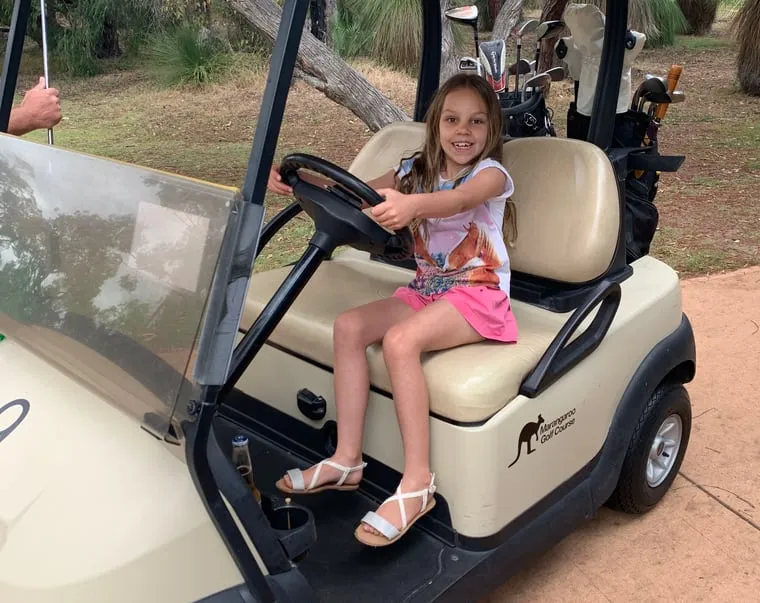
Todd's daughter grinning behind the wheel of a parked golf cart

Who This Is For

You're not trying to make the Tour. You're trying to stop being the guy your group waits on after a tee shot into the trees.

You've tried lessons that didn't fit your schedule, training aids that didn't fix anything, and enough YouTube videos to know the advice out there mostly contradicts itself. You want a system, not another tip.

That's who I am. And that's who I built this for.

I'm not a golf coach. Not a swing expert, not a pro. I'm an amateur golfer with a full-time job as an engineer and project manager.

I have limited time to practice and still only play a few times a month, same as you.

It's worked for me. If you apply it, I'm confident it will work for you too.

See how the method works →Todd and his playing partner taking a selfie between shots on the course